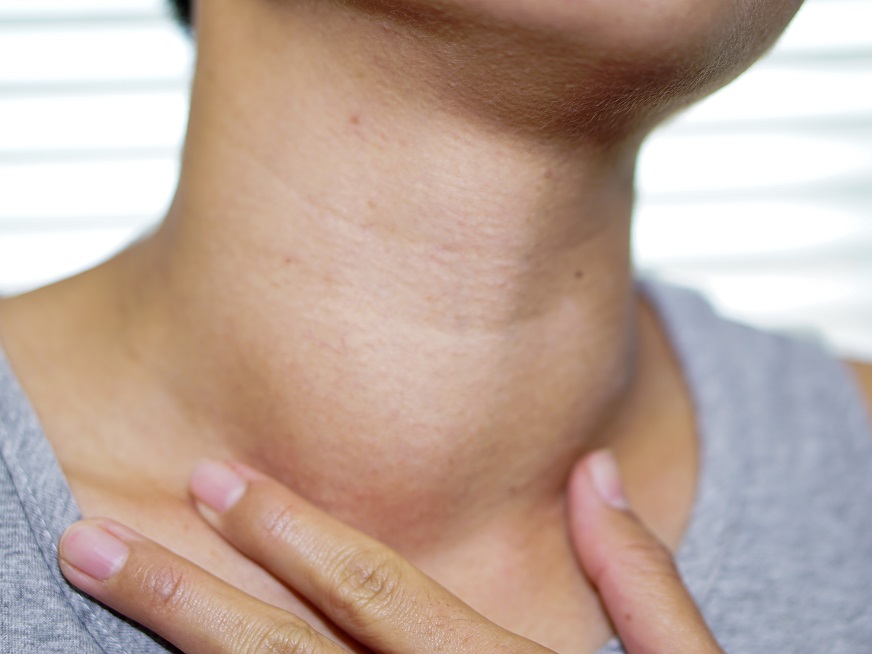

Si te preguntas qué es la T4 en tu perfil tiroideo, hay algunas respuestas que debes conocer. Las hormonas tiroideas se presentan en dos formas, la T4 libre y la T4 ligada. La forma libre circula libremente por el torrente sanguíneo, mientras que la segunda se une a las proteínas de la sangre. La T4 libre se mide mediante pruebas de T4 total, mientras que estas últimas miden la cantidad de T4 unida a proteínas en la sangre. La T4 libre es más precisa, pero no está muy extendida.
Se te extraerá sangre del brazo. Asegúrate de llevar ropa holgada y zapatos planos. La identificación de la vena es más fácil cuando estás bien hidratado. Intenta tener algo en el estómago de antemano, ya que esto puede ayudar a evitar las náuseas. Una extracción de sangre puede ser una experiencia estresante, por lo que es importante estar preparado. Aquí tienes algunos consejos para que la experiencia se desarrolle sin problemas. Una vez que te hayas preparado, sigue cuidadosamente las instrucciones.
Tu glándula tiroidea produce dos tipos de hormonas: T4 libre y T4 total. La T4 libre es la forma que se encuentra en tu sangre. La T4 libre es más precisa para determinar el estado de tu glándula tiroidea. La T4 libre conlleva un menor riesgo de efectos secundarios que la T4 ligada.
Si tu nivel de T4 es demasiado alto, tu médico puede querer realizar una prueba de T4. Es una prueba relativamente segura, y suele utilizarse junto con otras pruebas, como la T3 y la TSH, para determinar si tu tiroides funciona normalmente. Antes de que el médico pida un análisis de sangre de T4, debes informarle sobre los medicamentos, las condiciones de salud y los suplementos que estés tomando. Si estás embarazada, díselo también, ya que un falso positivo en la prueba de T4 puede afectar al resultado del embarazo.
Si tu nivel de T4 es anormal, puede ser un signo de hipotiroidismo o tiroides hiperactiva. Una disminución de los niveles de la hormona tiroidea puede provocar tanto hipotiroidismo como hipertiroidismo. En la mayoría de los casos, este trastorno es tratable con la hormona sintética levotiroxina. La dosis de la hormona sintética se controla mediante análisis de sangre cada seis u ocho semanas. Pueden ser necesarios análisis de sangre de seguimiento cada seis o doce meses.
El análisis de T4 mide la cantidad de hormona T4 en la sangre. La hormona T4 es producida por tu glándula tiroidea y regula varios procesos del cuerpo, como el uso de energía, el estado de ánimo y el peso. Tu médico te extraerá sangre de una vena de la parte interior del codo o del dorso de la mano. Esta vena suele estar cubierta por una banda elástica para reducir el flujo sanguíneo. La sangre se hincha en las venas bajo la banda.
If you’re wondering what is t4 in your thyroid profile, there are a few answers you need to know. Thyroid hormones come in two forms, free T4 and bound T4. The free form circulates freely in the blood stream while the latter attaches to proteins in the blood. Free T4 is measured by total T4 tests, while the latter measure the amount of T4 bound to proteins in the blood. Free T4 is more accurate, but it is not widely available.
Your blood will be drawn from your arm. Ensure you wear loose clothing and flat shoes. A vein identification is easier when you’re well-hydrated. Try to keep something in your stomach beforehand, as this can help prevent nausea. A blood draw can be a stressful experience, so it’s important to be prepared. Here are some tips for making the experience go smoothly. Once you’ve been prepared, follow the instructions carefully.
Your thyroid gland produces two types of hormones: free T4 and total T4. Free T4 is the form found in your blood. Free T4 is more accurate in determining the state of your thyroid gland. Free T4 carries a lower risk of side effects than bound T4.
If your T4 level is too high, your doctor may want to perform a T4 test. It is a relatively safe test, and often used in conjunction with other tests such as the T3 and TSH to determine if your thyroid is functioning normally. Before your doctor orders a T4 blood test, you should tell your doctor about any medications, health conditions, and supplements you are taking. If you’re pregnant, tell them too, as a false positive T4 test can affect the result of pregnancy.
If your T4 level is abnormal, it may be a sign of hypothyroidism or overactive thyroid. A decrease in the levels of the thyroid hormone can lead to both hypothyroidism and hyperthyroidism. In most cases, this condition is treatable with the synthetic hormone levothyroxine. The dosage of the synthetic hormone is monitored through blood tests every six to eight weeks. Follow-up blood tests may be required every six to 12 months.
The T4 test measures the amount of T4 hormone in your blood. The T4 hormone is produced by your thyroid gland and regulates various processes in the body, including energy use, mood, and weight. Your doctor will draw blood from a vein on the inside elbow or the back of your hand. This vein is usually covered by an elastic band to reduce blood flow. Blood swells in the veins beneath the band.
 Salud Eternity