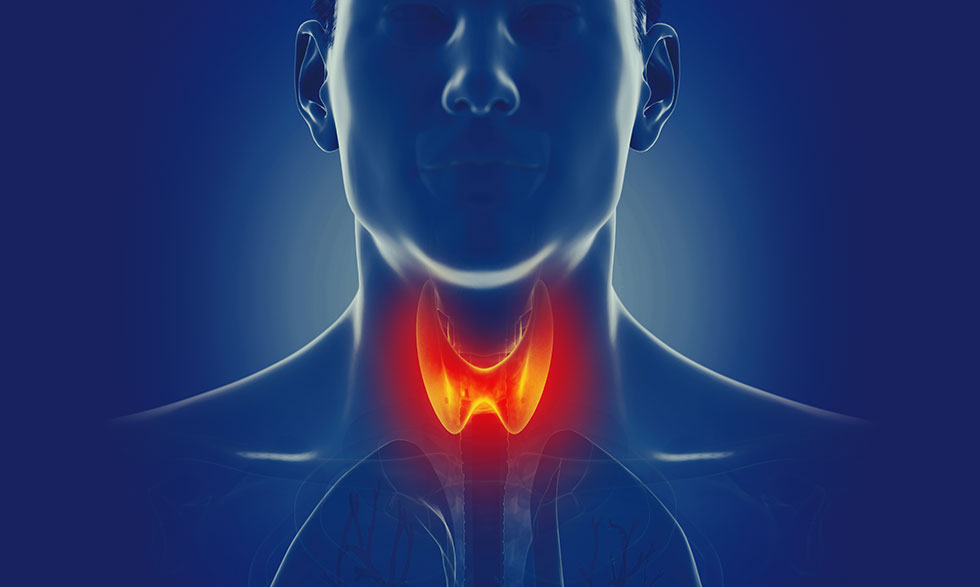

Si alguna vez te has preguntado cómo se hace una prueba de perfil tiroideo, no eres el único. Muchas personas tienen preguntas sobre esta prueba, pero hay algunas cosas que debes saber. Estas pruebas te ayudarán a determinar si tu tiroides es hipo o hiperactiva, y pueden ayudar a tu médico a diagnosticar tu problema. Para saber más sobre cómo funciona esta prueba, ¡sigue leyendo! Veremos los distintos tipos de pruebas disponibles y cómo pueden ayudarte a decidir qué es lo mejor para ti.
En una ecografía, te tumbas en una mesa de exploración. Un transductor hace rebotar las ondas sonoras en tu cuello para ver mejor tu glándula tiroidea. En la ecografía también se observa su tamaño, forma y posición. Después, el médico utilizará yodo radiactivo para comprobar si tienes nódulos tiroideos u otros problemas. La gammagrafía tiroidea puede durar unos 30 minutos y será beneficiosa para determinar la causa del hipertiroidismo.
Se toma una muestra de sangre para una prueba de la función tiroidea antes y después de que la persona comience el tratamiento con hormonas tiroideas. Si la persona está enferma, la extracción de sangre suele posponerse hasta que desaparezca la enfermedad, pero ésta puede influir en los resultados de la prueba. Para realizar un panel tiroideo, se introduce una aguja en una vena del brazo. Puede utilizarse un torniquete en la parte superior del brazo para proteger la zona antes de introducir la aguja. El lugar se limpia y desinfecta antes de la extracción de sangre.
Cuando tu médico pida una prueba de perfil tiroideo, medirá tu hormona tiroidea en dos formas, total y libre. La T4 total mide la cantidad de la hormona que circula en tu sangre, mientras que la T4 libre representa mejor el funcionamiento de tu glándula tiroidea. Una prueba de perfil tiroideo también dirá si tu hormona tiroidea está funcionando a un nivel saludable. Así sabrás si necesitas someterte a otro tipo de análisis de sangre.
Aunque una prueba de la función tiroidea no requiere ayuno, puede ser útil saber que no estás tomando ninguna medicación tiroidea antes de que el médico realice la prueba. Esta medicación puede afectar a los resultados y a la interpretación de tu prueba. Además, la prueba puede verse afectada por el uso de un medio de contraste especial, que contiene yodo. El médico determinará tu nivel de TSH si tu tiroides es poco activa.
La prueba de T3 total mide los niveles de la otra hormona tiroidea principal en tu sangre. La prueba de T3 total puede ser útil para diagnosticar el hipotiroidismo. Si la prueba de T3 total muestra niveles elevados de T3, puede ser un signo de tiroiditis de Hashimoto, un trastorno autoinmune causado por el ataque del sistema inmunitario a la glándula tiroides. Por último, debes saber que los resultados de las pruebas tiroideas también pueden ser anormales si estás tomando medicamentos, estás embarazada o tienes otra enfermedad.
El tiroides es una pequeña glándula situada en el cuello que controla muchas funciones vitales del organismo. Las hormonas tiroideas se liberan en el torrente sanguíneo y actúan para regular la temperatura interna del cuerpo. También regulan la producción de glucosa, un azúcar formado por los hidratos de carbono. También controlan la frecuencia cardíaca en reposo. Son importantes porque afectan al metabolismo del cuerpo. Tener los niveles adecuados de hormonas tiroideas es importante para una vida sana.
If you have ever wondered how is a thyroid profile test done, you’re not alone. Many people have questions about this test, but there are some things you should know. These tests will help you determine if your thyroid is underactive or overactive, and can help your doctor diagnose your problem. To learn more about how this test works, read on! We’ll look at the different types of tests available and how they can help you decide what’s best for you.
In an ultrasound, you lie on an exam table. A transducer bounces sound waves off your neck to get a better look at your thyroid gland. The ultrasound also looks at its size, shape, and position. Then, your doctor will use radioactive iodine to check whether you have thyroid nodules or other problems. A thyroid scan may take about 30 minutes and will be beneficial for determining the cause of hyperthyroidism.
A blood sample for a thyroid function test is taken before and after a person begins thyroid hormone therapy. If a person is ill, the blood draw is typically postponed until the illness is gone, but it can still influence the results of the test. To perform a thyroid panel, a needle is inserted into a vein in the arm. An upper arm tourniquet may be used to protect the area before the needle is inserted. The site is cleaned and disinfected before blood is drawn.
When your doctor orders a thyroid profile test, they’ll measure your thyroid hormone in two forms, total and free. Total T4 measures the amount of the hormone circulating in your blood, while free T4 is a better representation of how your thyroid gland is functioning. A thyroid profile test will also tell whether your thyroid hormone is functioning at a healthy level. You’ll find out whether you need to undergo another type of blood test.
While a thyroid function test does not require a fast, it may be helpful to know that you’re not on any thyroid medication before your doctor performs the test. This medication can affect the results and interpretation of your test. Additionally, the test may be affected by the use of a special contrast dye, which contains iodine. The doctor will determine your TSH level if your thyroid is underactive.
The T3 total test measures the levels of the other major thyroid hormone in your blood. The T3 total test can be helpful in diagnosing hypothyroidism. If the T3 total test shows high levels of T3, it may be a sign of Hashimoto’s thyroiditis, an autoimmune disorder caused by the immune system attacking the thyroid gland. Finally, you should be aware that thyroid test results can also be abnormal if you’re taking medicine, pregnant, or have another medical condition.
The thyroid is a small gland in the neck that controls many vital functions of the body. Thyroid hormones are released into the bloodstream and work to regulate the body’s internal temperature. They also regulate the production of glucose, a sugar formed from carbohydrates. They also control resting heart rate. They are important because they affect the body’s metabolism. Having the proper levels of thyroid hormones is important for a healthy life.
 Salud Eternity